Spotlight 1: What is linguistics research?

Lin 211 • Section 2, Part 1

Stella Takvoryan

2026-09-14

This course is structured around questions

What is linguistics? How do kids learn to talk?
What is language? How does bilingualism work?
How many languages are there? Why is it hard to learn other languages?
Where does language come from? How is writing different from speaking?
Spotlight Lecture: What is linguistics research? 🤷
What is a word? Why can’t Siri pronounce my name?
How do words get their meaning? How do computers help with language?
Is slang legit? Are chatbots real?
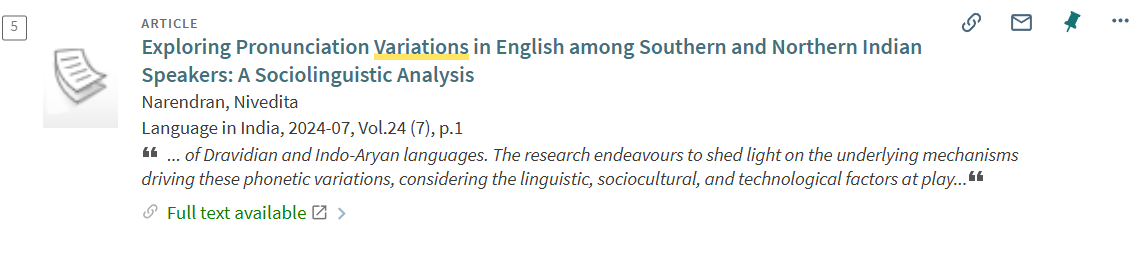
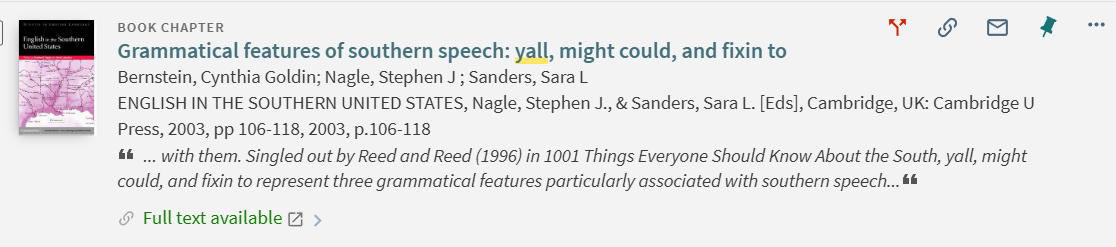
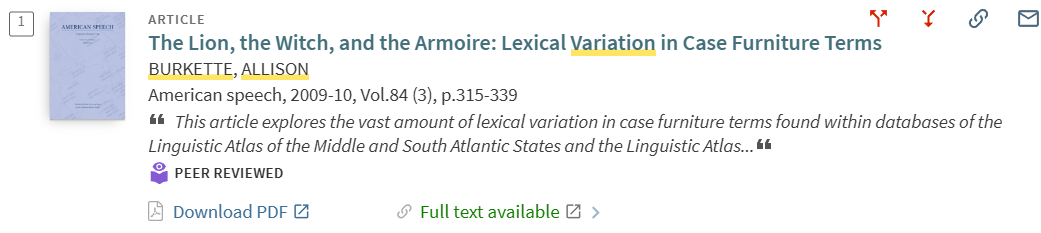
Why are some words “bad words”? Spotlight lecture: How do we find relevant linguistics sources?
Who says “pop” and why? Are actors good at dialects?
Where do dialects come from? Can you make your own language?
What is the prettiest language? Do animals use language?
Spotlight lecture: What methods and ethics of inquiry are used? Who really uses this stuff?
Why Linguistics?

Making questions approachable

Week 1 lecture and recitation: What is linguistics?

  • what is language?
  • what types of language are objects of inquiry?
  • what can language variation look like?
  • how do/can linguists and non-linguists talk about language?
  • what do people believe about linguistic rules/expectations?

Goal #1: assignment prep

  • Prepare for future projects in the course
  • Midterm project: data collection
  • Final project: thinking about data collected
  • Ask a research question ⟶ Spotlight 1 linguistics research)
  • Propose methods ⟶ Spotlight 2 (methods and ethics)
  • Find a relevant source ⟶ Spotlight 3 (finding sources)


Goal #2: being curious

  • Move away from “Getting Started”
  • How can I apply course concepts?
  • What’s involved in starting (linguistics) research?
  • How do I use concepts to make richer observations?
  • What are the qualities of a fruitful (linguistics) research question?
  • How could I turn observations into questions?

Our Questions

“Why do some languages have words for concepts that other languages don’t even have a meaning?”

“Why can’t people understand certain accents?”

“I have always wondered what english sounds like to non english speakers”

“Do animals have language”

” If someone is bilingual, what determines which language they think in?”

“How do slang words develop and who comes up with them?”

“After moving to another state how does language and accents change?”

“why does my dad say “wuder” and i say “water” if we grew up in the exact same area?”

“Why do we yell when we feel an intense emotion?”

“How fast does language evolve over time”

“Who or what made the alphabet and how did it become a universal thing that everyone agreed upon”

“Why do singers from other countries often sound like Americans when they sing?”

“What are the roots of different accents?”

“Why do some people say their a’s differently for example like bad”

“What causes accents to happen, and stay over time?”

“How did/do dialects first form?”

“how does someone’s language change when they move regions and is that called something”

“How can one overcome an accent when learning and communicating in a different language”

“Do we think certain animals can communicate to an advanced degree?”

“why is silence sometimes considered a type of language?”

“How did the Appalachian accent start?”

“How did we get so many languages and why are some so similar but still different”

“Why are some people who are bi-lingual speak with accents and some don’t?”

“Why do my older family members say warsh and torlet”

“How do new languages form”

“Why does every individual have a unique way of speaking?”

“Why do people use “I seen” instead of “I saw”?”

“What do u think has been the number 1 change in language over time?”

“Why do people in the south say yall but people in the north do not?”

“how can me and gang make our own language”

“why are there some languages that are disappearing”

“Why are there so many rules that go into every different language?”

“Why is it harder to learn some languages than others?”

“How do babies learn to think in words if they can’t speak”

“Is it normal to think in your own voice?”

“Why do we as humans take certain words so personal?”

“why does my grandma say hubbub?”

“Why is it when I say bag, I am pronouncing it as beg?”

“Can you accent change if you were born in the South and then moved up North?”

“why do different parts of the world adapt to language differently?”

“How are certain words more popular in certain regions, how did they originate to that distinct place and then stay?”

“What’s the most common American accent from a non-domestic POV? Why is this the first one that comes to mind?”

“If you speak two languages and grew up with both which one do you think in?”

“Do animals think the way we do?”

“Is there a right and wrong way of saying certain things in certain places”

“what age to babies actually start thinking in a language (or just thinking in general)”

“Can animals communicate with other animal species?”

“Why are accents so different even in places super close to each other?”

“Why do accents vary based on where you’re from?”

“Why do people say crayon differently?”

“How does a baby know to say just “mama”, instead of “say mama”?”

Questions come from observations

“I talk differently when communicating to my friends than my professors”
How does language influence identity?
“People complain about texting ruining how people speak”
How do computers impact modern language?
“[company] said that Southerners sound unprofessional when they talk”
How do people feel about how others speak?
“People have vastly different experiences but can understand each other”
How can people process speech?

How would we find out?

Research!

What’s involved in research?

  • Finding plausible explanations for questions
  • Many ways to approach doing research
Asking a research question How do I ask a question?
How do I know what questions I can be asking?
Selecting an appropriate method What are methods?
How do I do research ethically?
Contextualizing How do I find resources to support my research?

Qualities of solid research questions

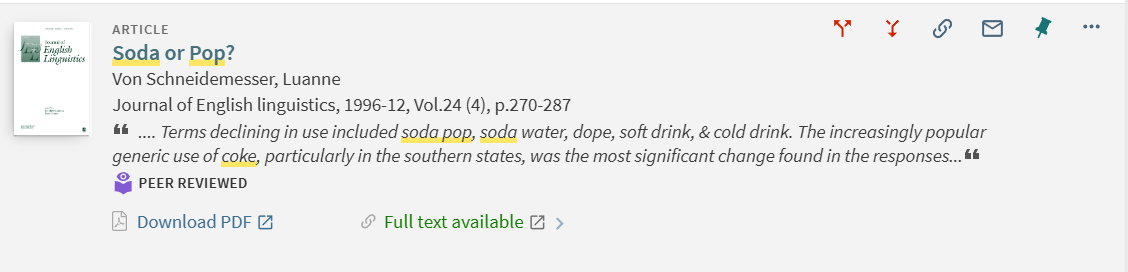
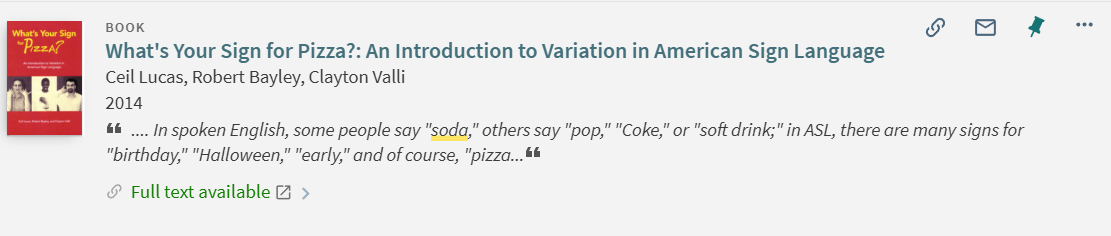
  • Based on previous research
    • Why: connect to other studies
  • Are practical
    • Why: need to be doable
  • Are specific
    • Why: more specific = more precise answers

Where does/can research start?
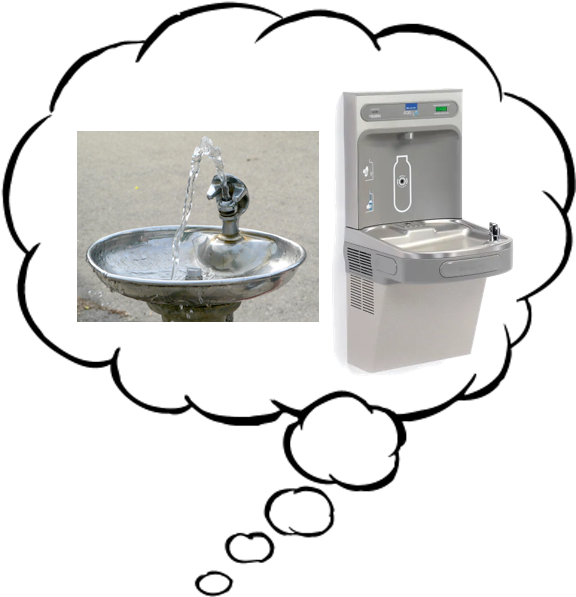
Something that we observe, read about, find interesting, find confusing, find controversial, etc.

For the final project: midterm data + semester content

“I noticed that someone uses bubbler to refer to a water fountain… I wonder what other words might vary between people…”

“I heard someone claiming that bubbler and water fountain refer to the same thing, but I wonder if other people think about them differently…”

Starting with observations (from Recitation 1)

Other examples of regional variation

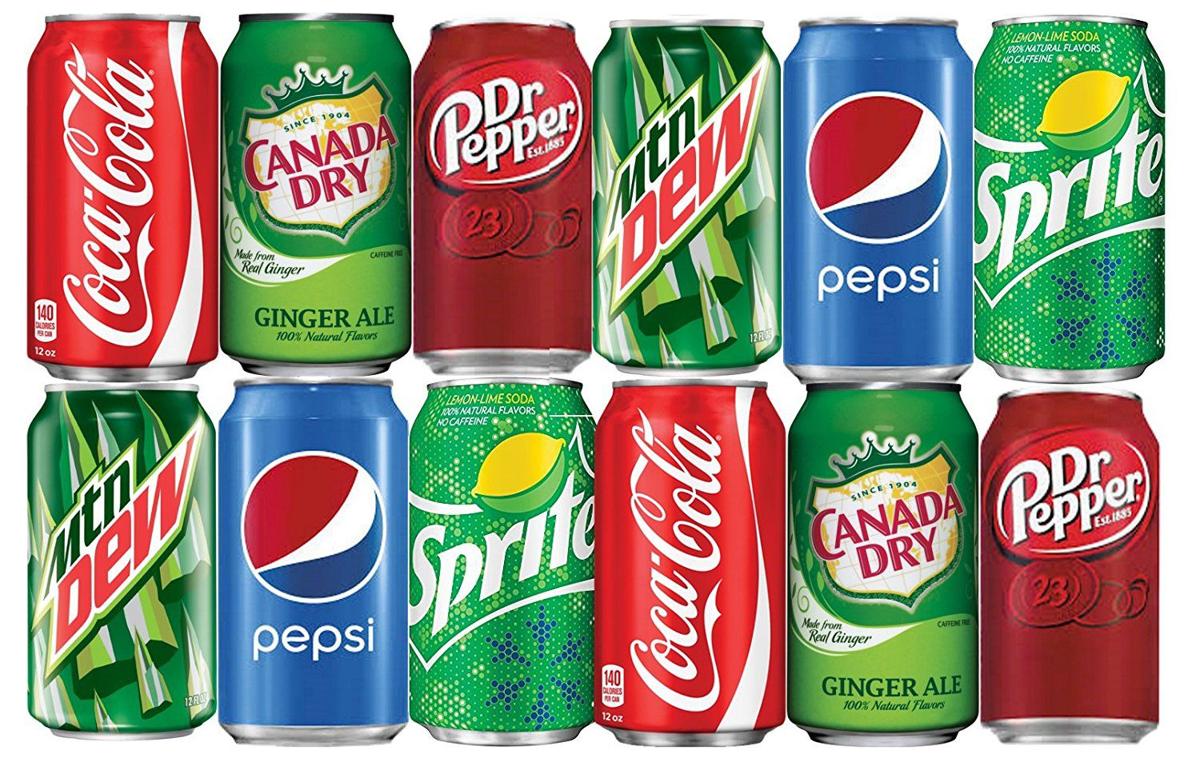
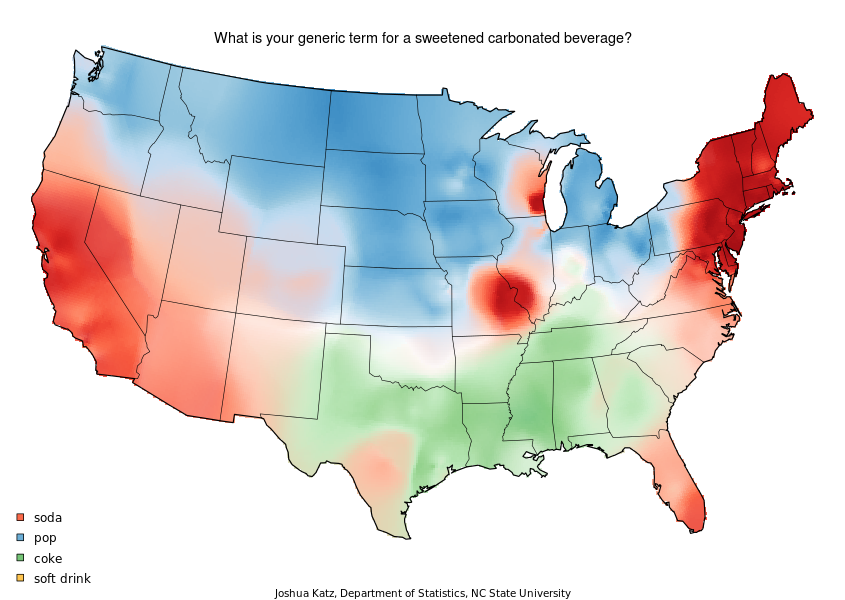
  • Pop, soda, coke
  • lightning bug, firefly
  • Roly poly, potato bug, pill bug

Including different pronunciations

  • Wash vs. warsh
  • pin = pen, pin ≠ pen
  • Caramel (2 vs. 3 syllables)

➙ ➙ ➙

People speak differently

  • In what ways?
  • Why?
  • What effects does this have on how people interact?

Observations ➙ questions

Too broad:

  • How does regional identity influence lexical variation?
  • ( what type of lexical (=word) variation? what kind of region? )

☞ More optimal:

  • where, exactly, do people use different words for a carbonated beverage?
  • how do people there feel about the word?
  • why do less standard forms persist?

Attendance Question 9-14 (lecture day 6)

What object with regionally varying names are we using in our example research question? Or, what is the object featured in the example research question on the previous slide?

1. Based on Previous research

■ Soda

■ Pop

■ Coke

■ Soft drink

➙ ➙ ➙

2. Practical and 3. Specific

  • Are there feasible methods for testing this?
  • If I needed to, could I use a specific method for answering?
  • What methods are available?
  • Is this narrowed enough to be doable?
  • Can I find methods that will let me adequately answer this question?
  • How much time do I have to research this question?
  • Would it be easier for me to answer this question if I broke it down into several smaller questions?

Why examine variation in words for fizzy beverages?

“human languages are structured systems for making articulated thoughts fully explicit both internally (mentally) and externally (in a form perceptible to other humans)” (Pullum, p. 3)

Language variation, then…

  • reflects historical and cultural trends
  • is personal and creative
  • is natural and “normal”

The ways we use language express information about who we are

Understanding/acknowledging others’ motivations for using language differently can make us more effective and empathetic communicators

What’d we talk about?

  • Linguistics research asks questions across a span of topics
  • Regional variation for lexical items = one of so many ways to answer a question about language
  • Appropriate research questions are
    • Connected to previous research
    • Practical and about specific topics
  • Questions start with observations

What’s next?

  • Wednesday: What is a word? + Pullum chapter 3 (“Words, Meaning, and Thought”)
  • Friday: recitation and Quiz 3
  • The more distant future: 2) methods of inquiry and 3) finding linguistic sources